Your cart
There are no more items in your cart
Precise Spinal & Brain Impactor
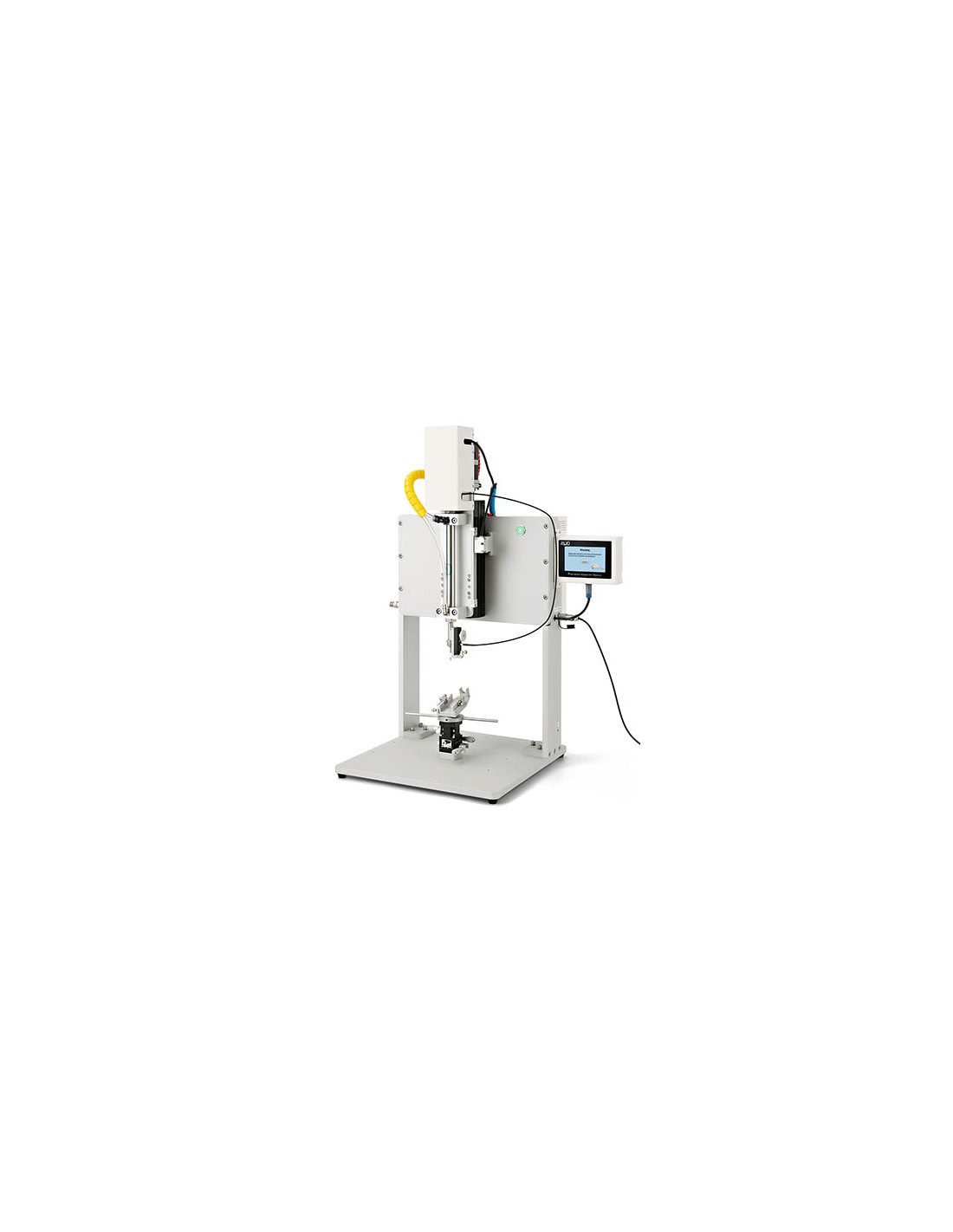
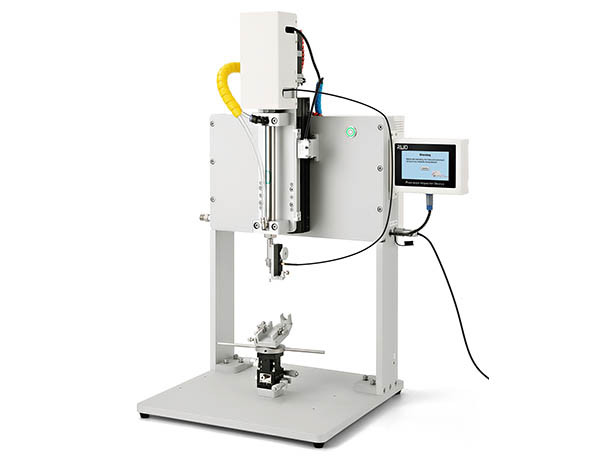
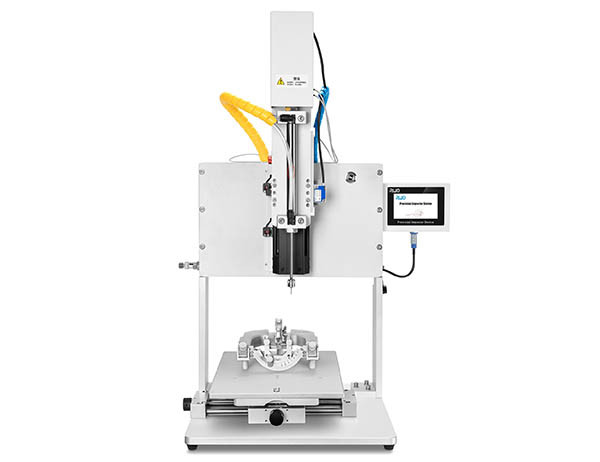
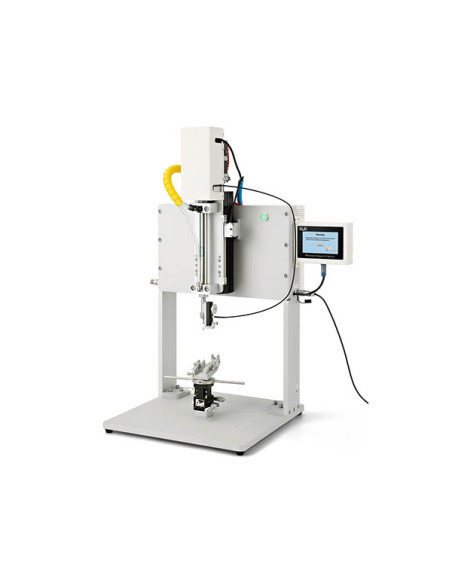
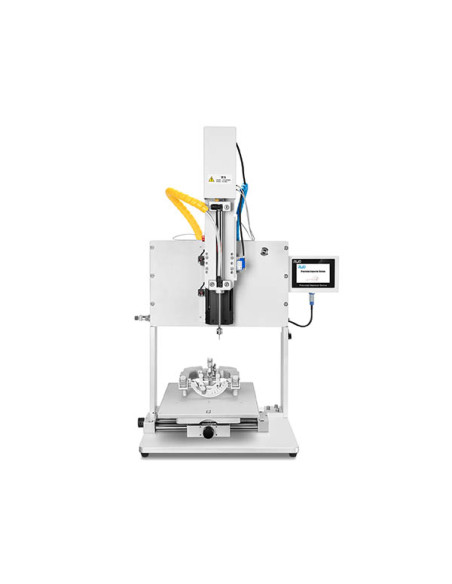
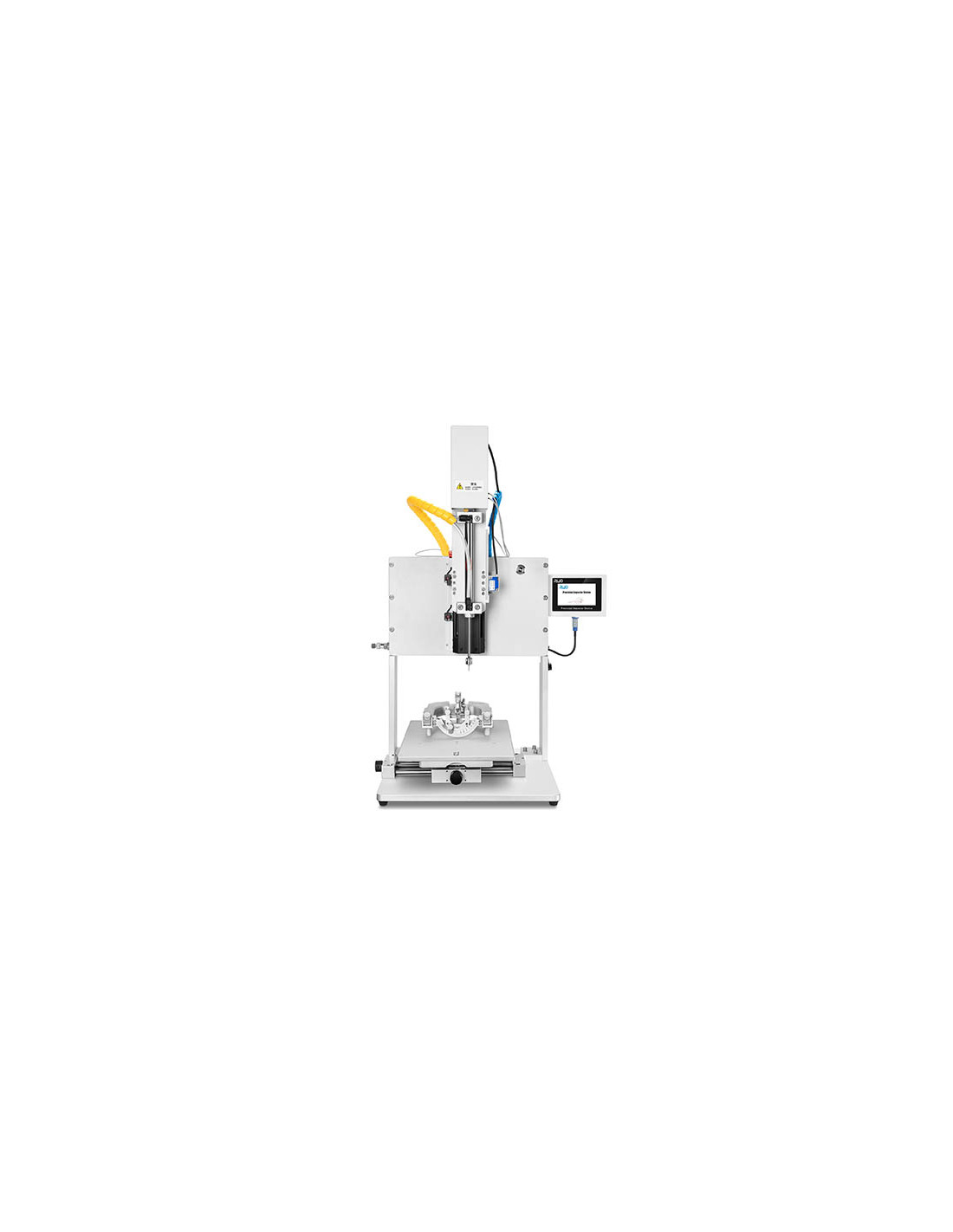
The 68099II Precise Impactor is an instrument used for evaluating traumatic spinal cord and/or brain injury in basic medical research models.
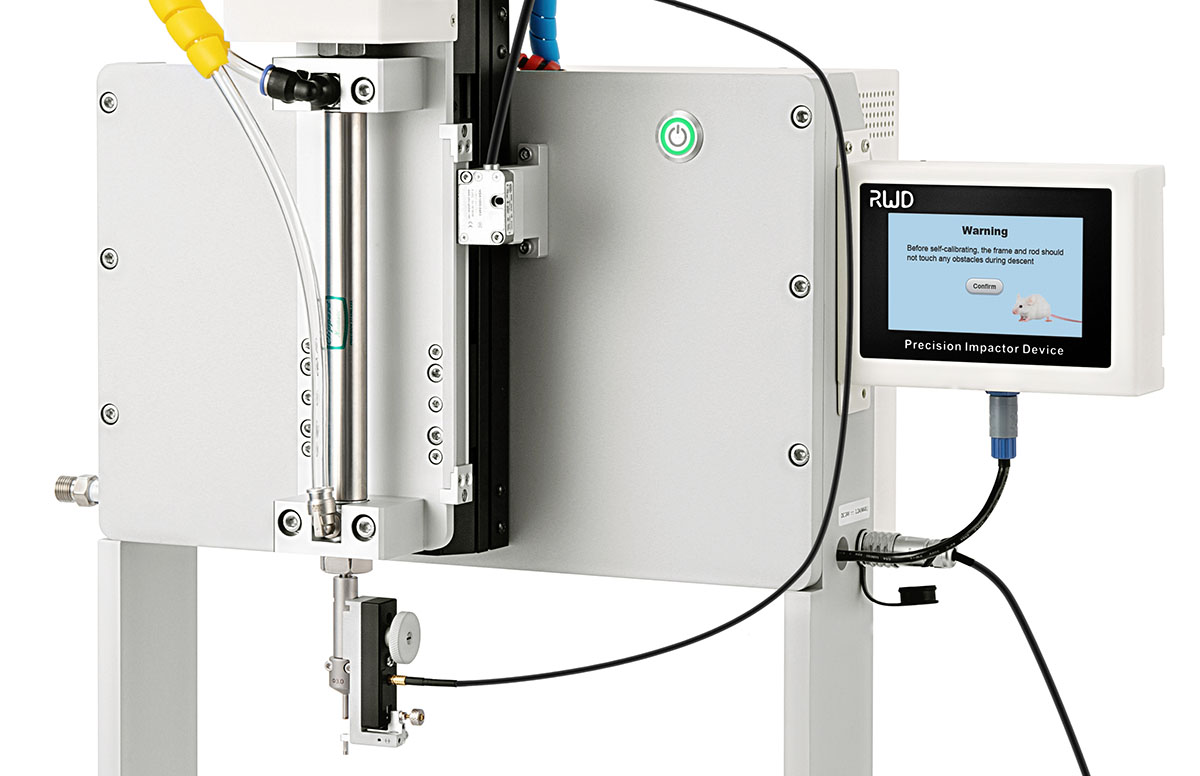
The system adopts pneumatic-electric control, which can precisely adjust the speed, depth and dwell time to achieve precise impact. Touch screen design, convenient and friendly operation. In addition, a unique sensor is used to automatically detect the zero-interface reference point at the impact point of the model accurately and reliably before the start of the impact procedure, thus reducing the tedious process of manual zeroing
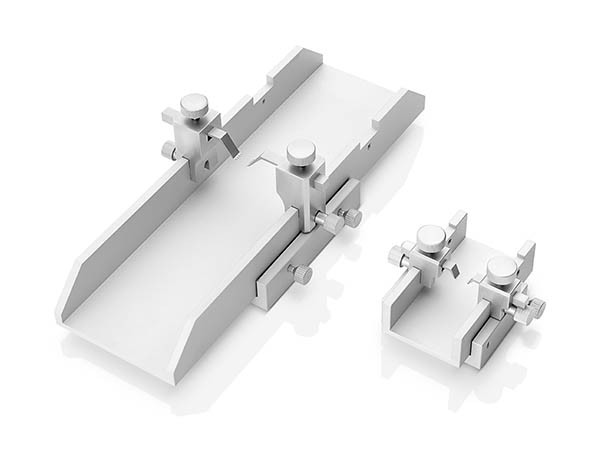
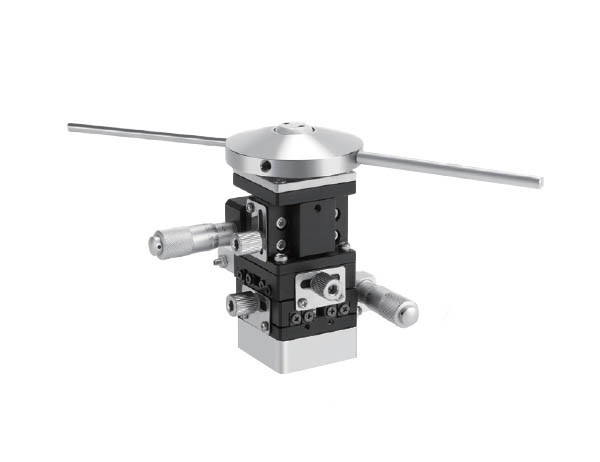
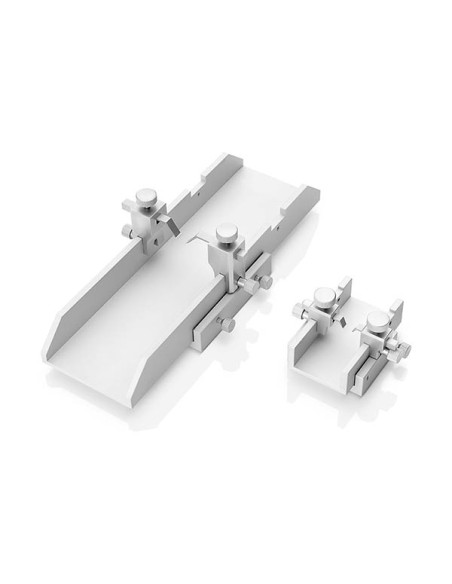
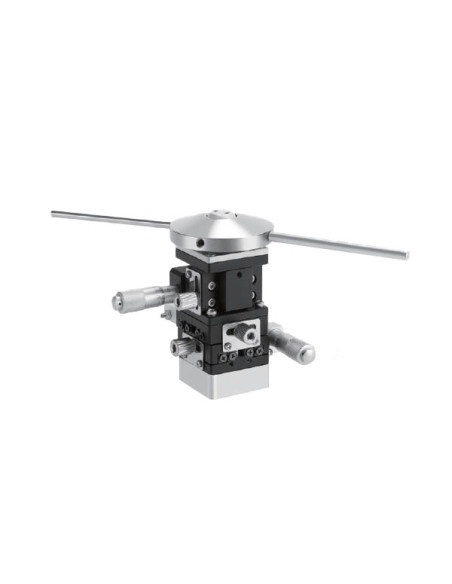
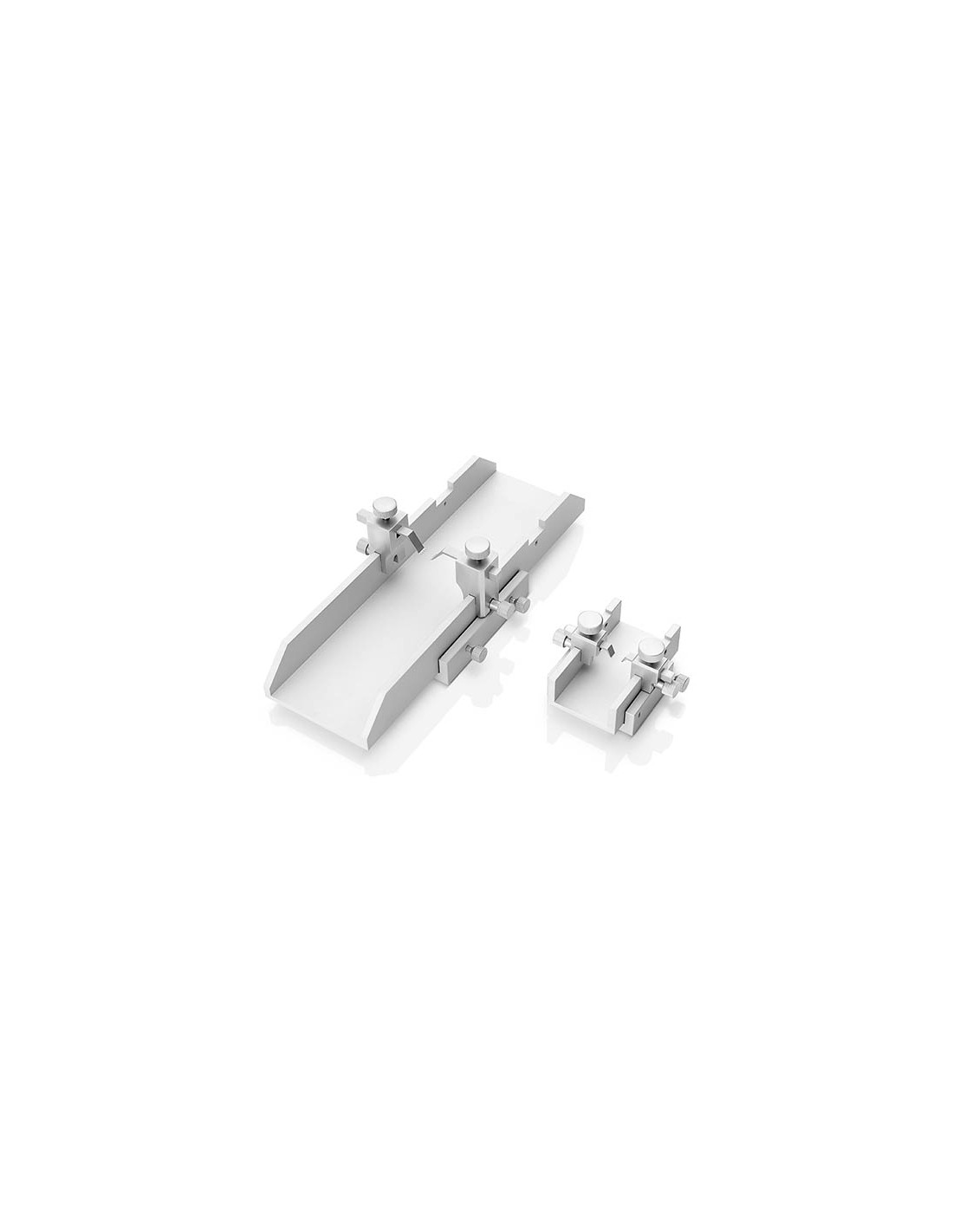
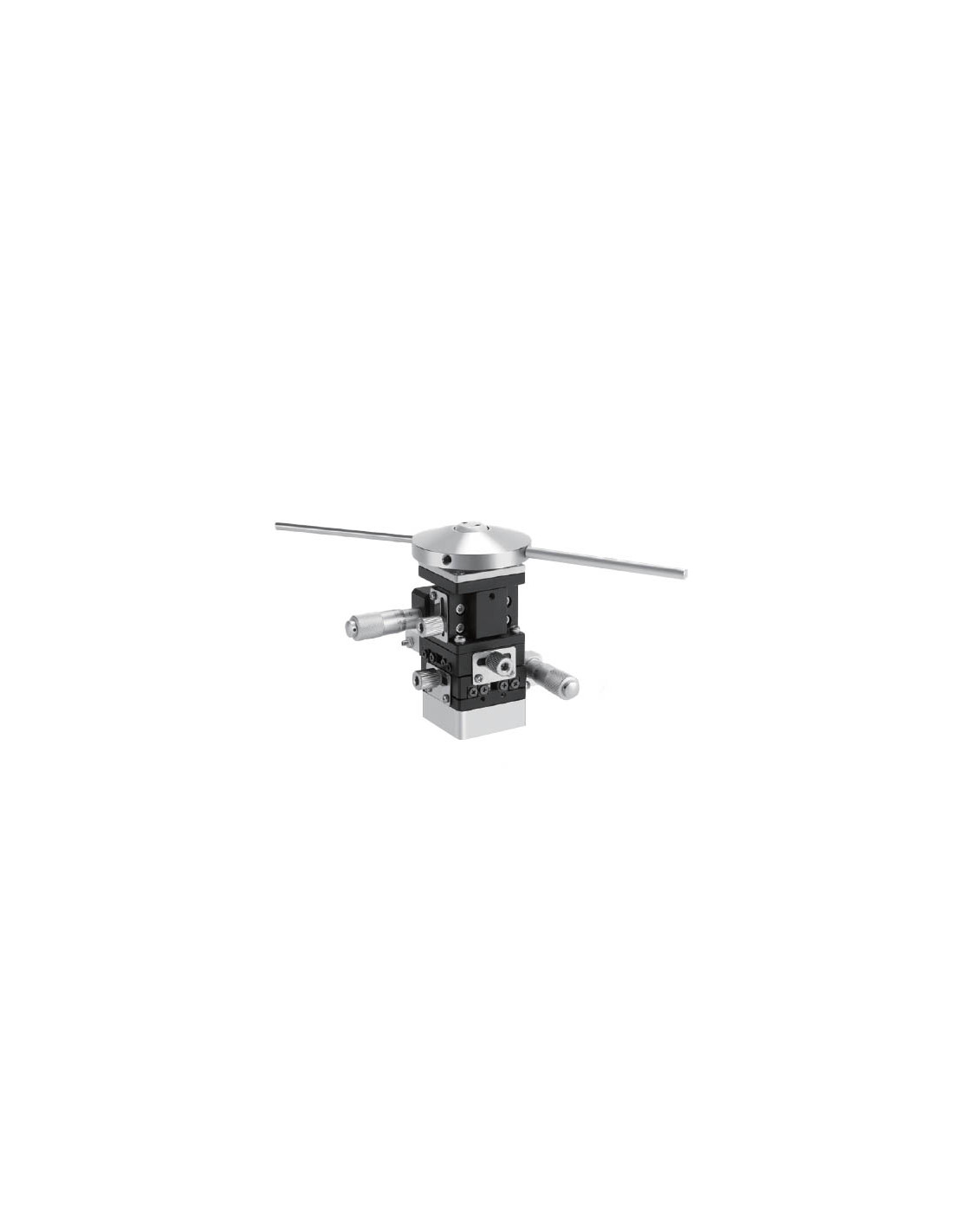
The rat and mouse spinal cord adaptor adopts the method of supporting the spinal cord from the lower sides of the spine to avoid the depth error caused by the collapse of the animal when breathing or impacting. The three-axis micro-manipulated rotatable platform includes a universal adjustment device, which can adjust the level of the spinal cord to ensure vertical strikes and improve experiment repeatability. The spinal cord adapter provides a stable way of spinal cord fixation and improves the success rate of modeling.
Speed range is 0.5-5.6m/s, resolution 0.1m/s; depth range is 0.00-5.00mm, resolution 0.01mm; dwell time range is 0.00-5.00s, resolution 0.01s;
- Pneumatic pure electric control and stable chassis design, precise impact and no vibration
- The 4.3 inch color LED touch screen enables easy operation interface with friendly software interface.
- Automatic calibrate zero position, avoid tedious manual operation
- High precision rotating adapter, adjust the levelness, inclination and center axis’ alignment of the animal’s head at the maximum limit
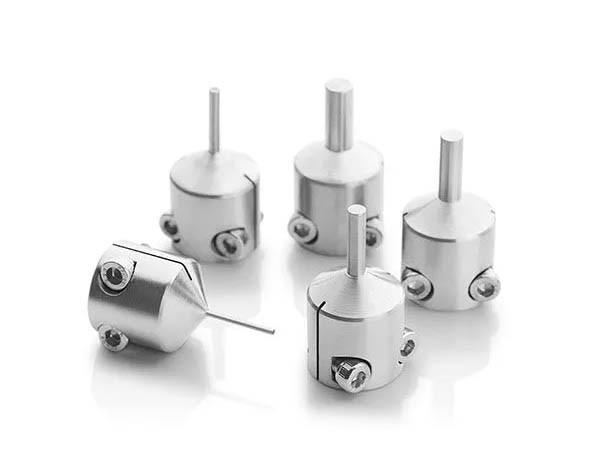
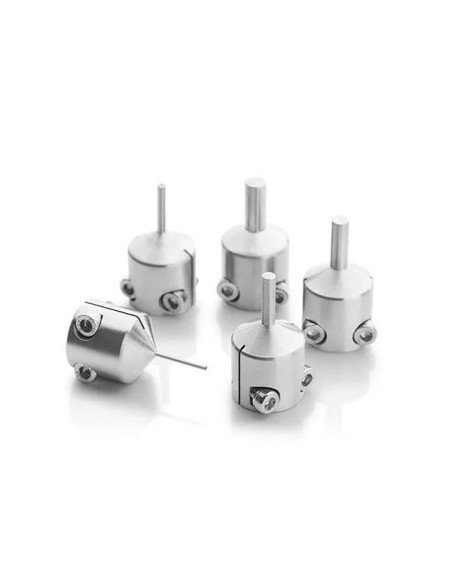
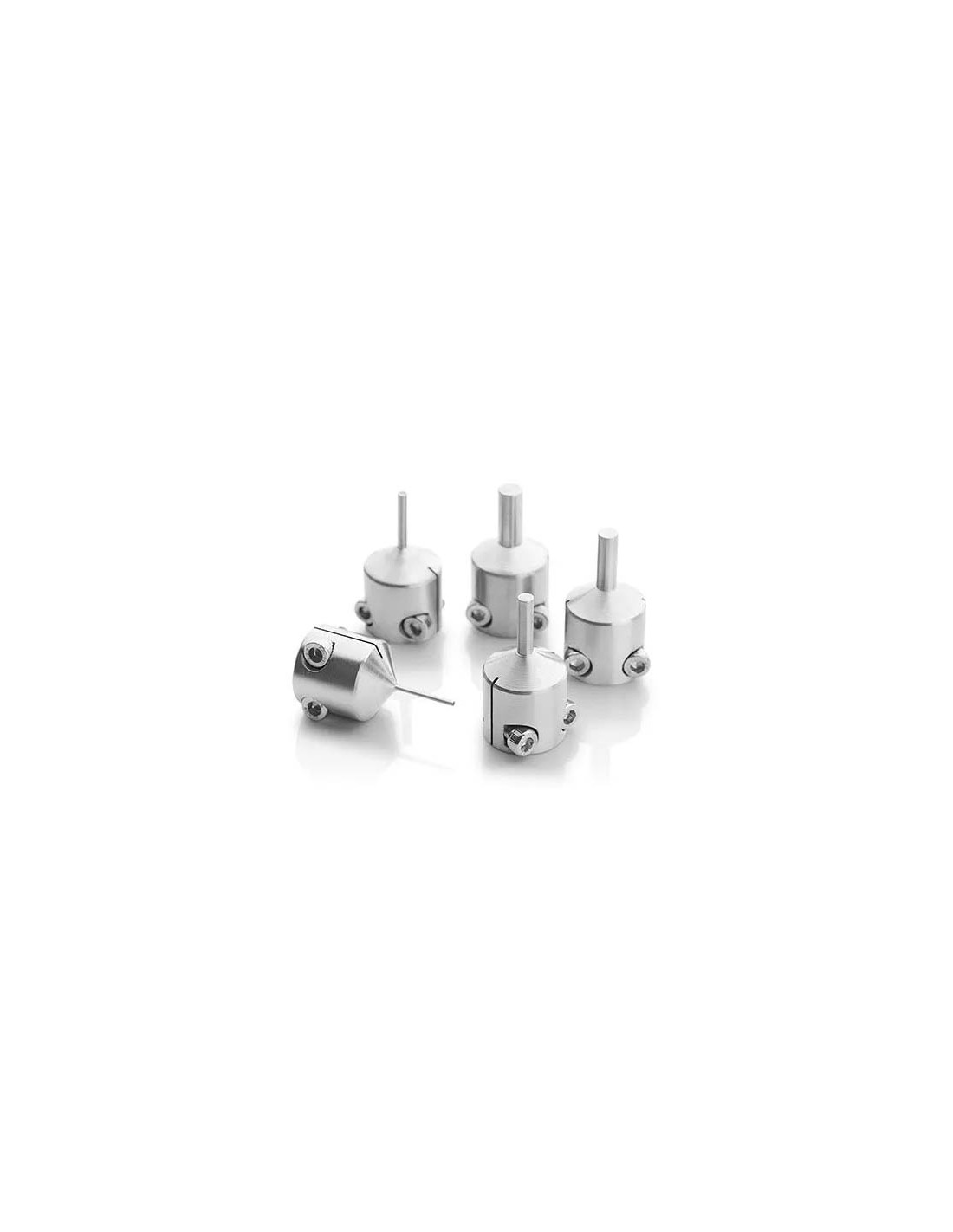
- A variety of cylindrical flat-head head hammers with outer diameters of 1, 2, 3, 4 and 5mm, which can meet the needs of traumatic brain injury and spinal cord injury model
Featured in Research
Ni H, Kan X, Rui Q, et al. RACK1 promotes autophagy via the PERK signaling pathway to protect against traumatic brain injury in rats. CNS Neurosci Ther. 2024;30(3):e14691. https://doi.org/10.1111/cns.14691
Gu Q, Sha W, Huang Q, et al. Fibroblast growth factor 21 inhibits ferroptosis following spinal cord injury by regulating heme oxygenase-1. Neural Regen Res. 2024;19(7):1568-1574. https://doi.org/10.4103/1673-5374.387979
Tap to zoom