
Your cart
There are no more items in your cart
Animal ID
Reliable Laboratory Animal Identification
Robust lab animal identification protects study integrity, animal welfare, and data traceability. AgnTho’s offers fit-for-purpose options for rodents and other small species, from temporary animal markers to scannable ear tags, tattoos, and RFID microchips - so you can match identification to study design, species, and SOPs.
Learn more about animal ID in our scientific section.
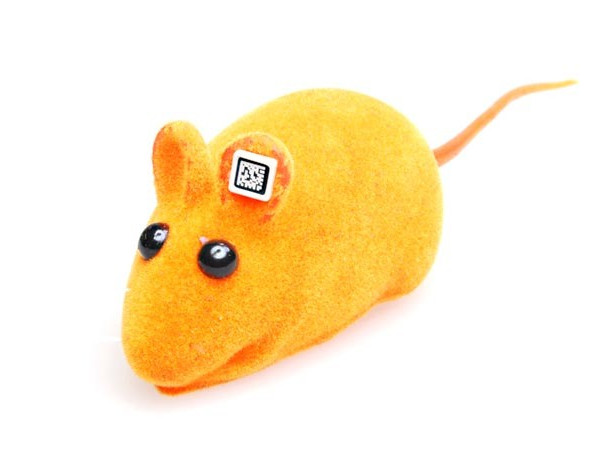


Choose the permanence and readout that best fits your protocol. Visual, barcode, or RFID - without compromising welfare or throughput.
- Fast, scannable: RapID Tags® and conventional Ear Tags
- Permanent, unambiguous: Implantable Chip (RFID) and AIMS Tattoo
- Integrated workflows: Ear Puncher / Small Ear Puncher for ID and genotyping
Effective laboratory animal identification is more than a label; it’s a system that must align with endpoints, imaging constraints, handling frequency, and data capture needs. For short observations or neonatal stages, non-toxic Animal Markers provide flexible, low-impact IDs that can be refreshed as litters develop. As studies extend, semi-permanent options become preferable. RapID Tags® deliver fast, scannable 2-D barcodes that reduce transcription errors and keep large colonies moving efficiently, while conventional Ear Tags offer a simple, budget-friendly visual alternative. When genotyping is part of your workflow, the Ear Puncher (and Small Ear Puncher for early stages or smaller animals) enables precise marking and tissue collection in a single, controlled step, supporting clean downstream analysis and minimizing re-handling.
For lifetime identity or critical cohorts, Implantable Chips (RFID) and AIMS Tattoo provide durable solutions. RFID microchips give each animal a unique, permanent ID that integrates with handheld or fixed readers and LIMS, making cage-side verification fast and unambiguous. Tattoos offer permanent visual identification without hardware, suitable where validated in SOPs and supported by appropriate anesthesia/analgesia.
Microchip vs. ear tag how to decide?
If you need absolute permanence, automated capture, and minimal data entry error, RFID is typically the best fit. If speed, visibility, and low per-animal cost are priorities, especially in large colonies, ear tags shine, with RapID Tags® adding barcode accuracy for high-throughput work. Many facilities use a hybrid approach: a visible tag for day-to-day tasks, plus RFID for definitive identity in long or regulated studies.
Common problems and how to prevent them:
Unreadable or lost IDs usually trace back to incorrect sizing or placement; follow validated SOPs and schedule quick readability checks. Data errors fall sharply when you prioritize scannable IDs (barcode or RFID) and integrate with your ELN/LIMS. Site irritation is minimized with aseptic technique, appropriate analgesia/anesthesia, and routine monitoring. Above all, match the identification method to the study’s length, imaging requirements (e.g., avoid metal where contraindicated), and welfare standards.
With options spanning animal markers, RapID Tags®, Ear Tags, AIMS Tattoo, Implantable Chips, and precision Ear Punchers, AgnTho’s helps you implement a consistent, humane, and audit-ready identification strategy for your specific protocol.