Introduction
Accurate and traceable animal identification is a cornerstone of valid and reproducible preclinical research. It directly impacts regulatory approval, data quality, animal welfare, and ethical compliance. This guide explores these methods with a focus on AgnTho’s range of humane, regulation-compliant identification tools designed for reliable and welfare-optimized research.
Why Identification Matters
Reliable animal identification is a fundamental requirement for high-quality, ethically sound laboratory research. A well-structured identification system ensures traceability of each individual animal throughout your study, supporting accurate data collection, minimizing procedural errors, and fulfilling both regulatory and ethical expectations.
Effective systems go beyond assigning ID numbers. At a minimum, animal identification should include essential information such as strain or breed, sex, origin, age or date of birth, and group or study assignment. These data points are typically linked to both physical identifiers and digital or written records, ensuring that each animal’s identity can be traced accurately across time and procedures. Whether you're managing this in a lab notebook, a LIMS platform, or a cage-side chart, your identification tools need to support full traceability from day one to study close, helping you meet both ethical expectations and regulatory standards such as those outlined by IACUC, FELASA, and the Guide for the Care and Use of Laboratory Animals.
Temporary Identification Methods
Temporary identification methods offer a practical and low-impact approach for short-duration studies, neonatal animals, or early developmental phases. While they are not intended for long-term traceability, these techniques can be highly effective when used appropriately and with regular monitoring.
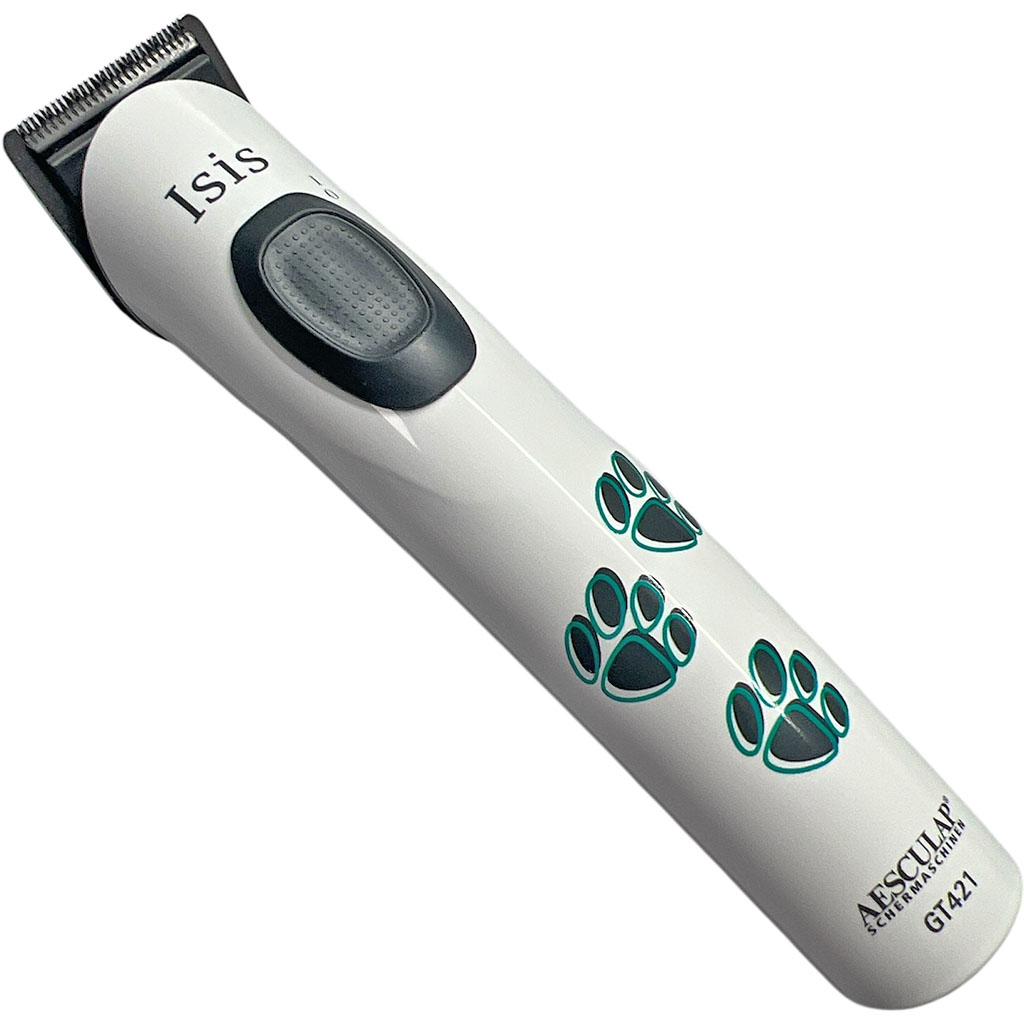
This temporary, non-invasive method involves shaving a distinct pattern or patch into the animal’s fur for visual differentiation. It's suitable for pups aged two weeks or older and must be repeated as fur regrows. Although low-cost and easy to implement, the method requires restraint and may expose animals to stress, particularly if electric clippers emit ultrasonic noise.
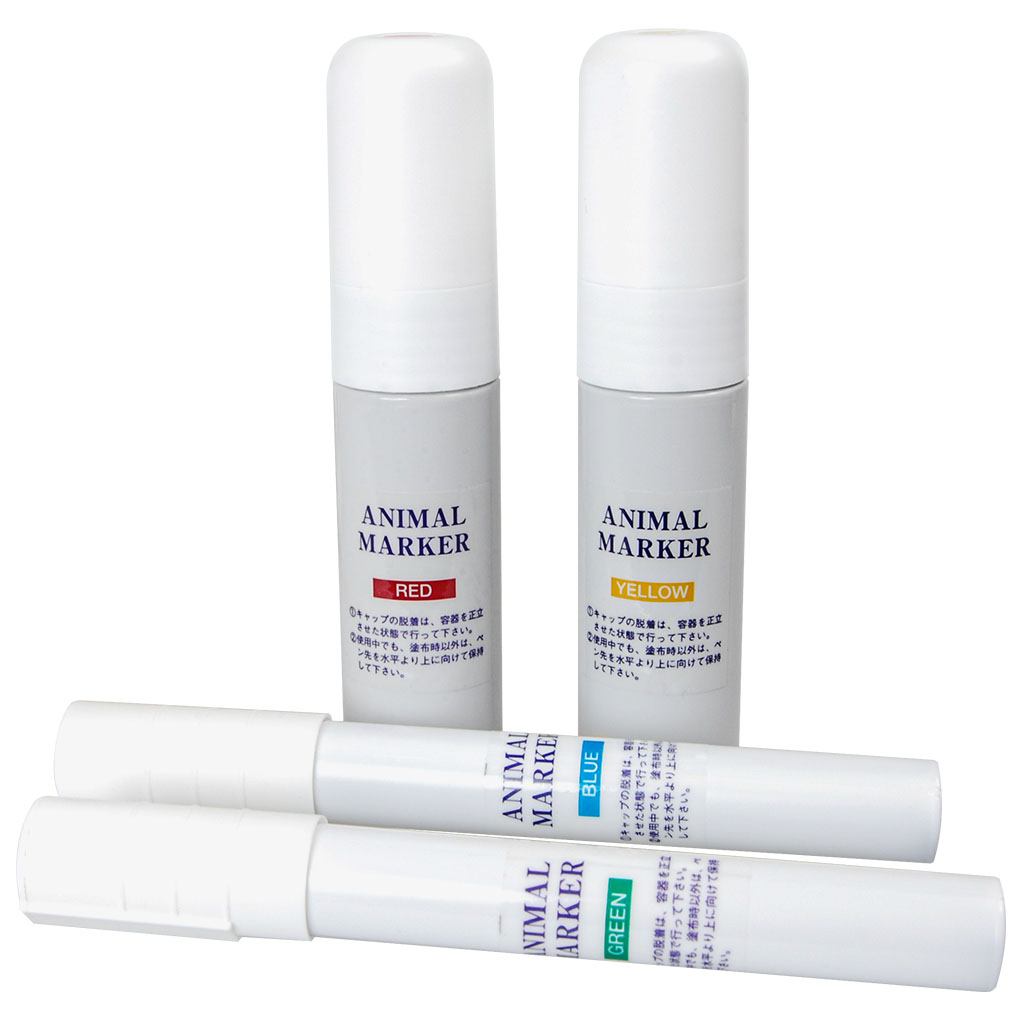
Animal Marking pens can be used to apply visible symbols or color codes directly onto the fur. They are commonly used due to their non-invasive nature, ease of application and inexpensiveness. They are particularly helpful for distinguishing between animals during the early days of an experiment, or when grouping individuals by treatment or cage. Although the markings should remain for 6/12 weeks it can vary depending on specific conditions, grooming behavior, coat pigmentation etc. why it is recommended to initially check the markings for consistency.
Permanent Identification Methods
Permanent identification methods are essential when your study spans longer timeframes, require higher individual traceability, or involves procedures such as genotyping. These techniques are designed to provide lasting, secure identification that support both regulatory compliance and operational efficiency.
Ear notching or punching is a traditional and cost-effective technique that offers semi-permanent identification while also supplying tissue for genotyping.
Notches can gradually close, particularly in younger animals, and to maintain reliability, regular monitoring is essential. The method also requires precision—misplaced or inconsistent notches can result in errors.
AgnTho’s custom-developed the AT7000 Ear Puncher with Tube Holder which is a thoughtfully engineered tool designed to minimize strain on the user’s wrist while improving the animal's comfort. Unlike traditional models, this hardened acid-resistant puncher features a sloped cutting edge that slices rather than punches through the ear tissue—reducing resistance, trauma and minimizing discomfort for the animal.
One of the common challenges in tissue-based identification and genotyping is the risk of sample contamination and loss during collection. This puncher addresses that issue with its integrated Eppendorf tube holder, which securely positions the lid of a 1.5 mL tube directly beneath the cutting mechanism. As a result, tissue samples fall cleanly into the collection tube, reducing the risk of cross-contamination or handling errors.
AgnThos has also further developed a smaller puncher that works with the same technique but without a vial holder, the AT7020.

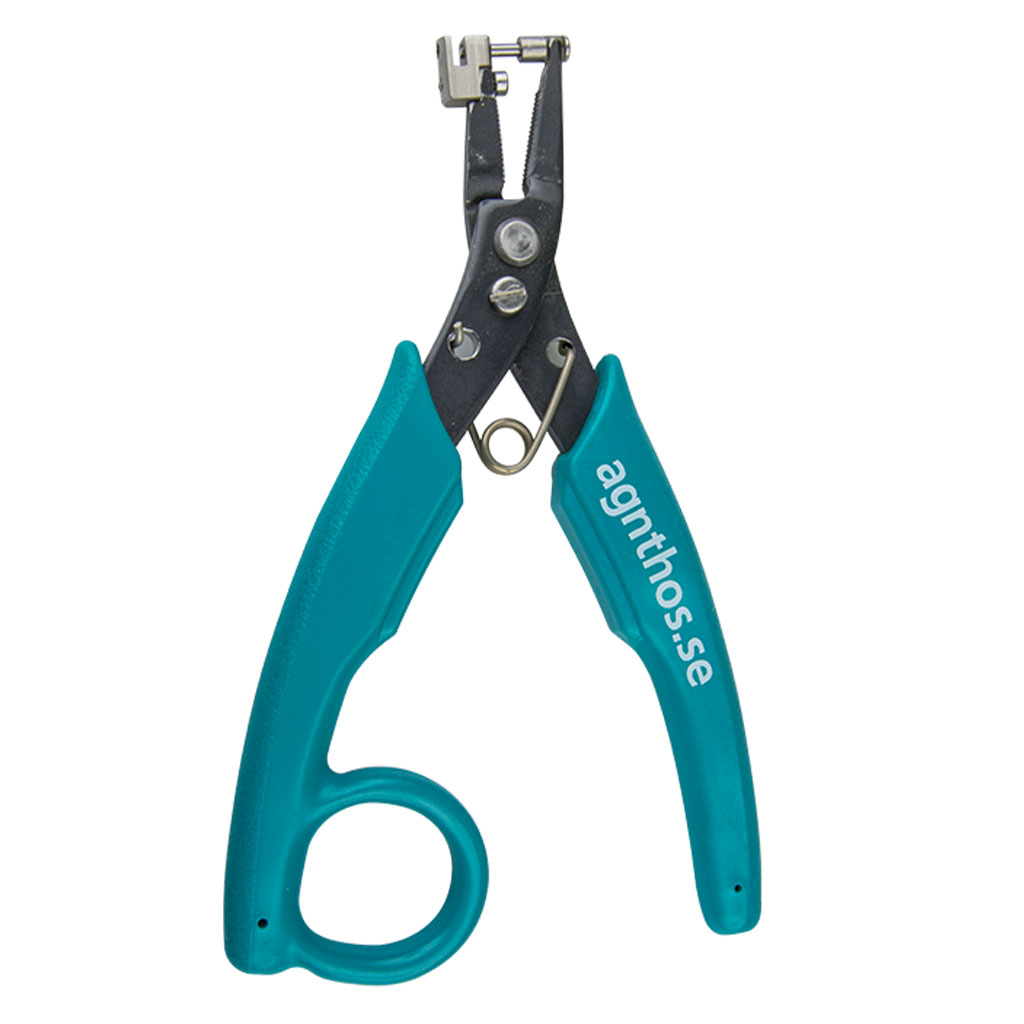
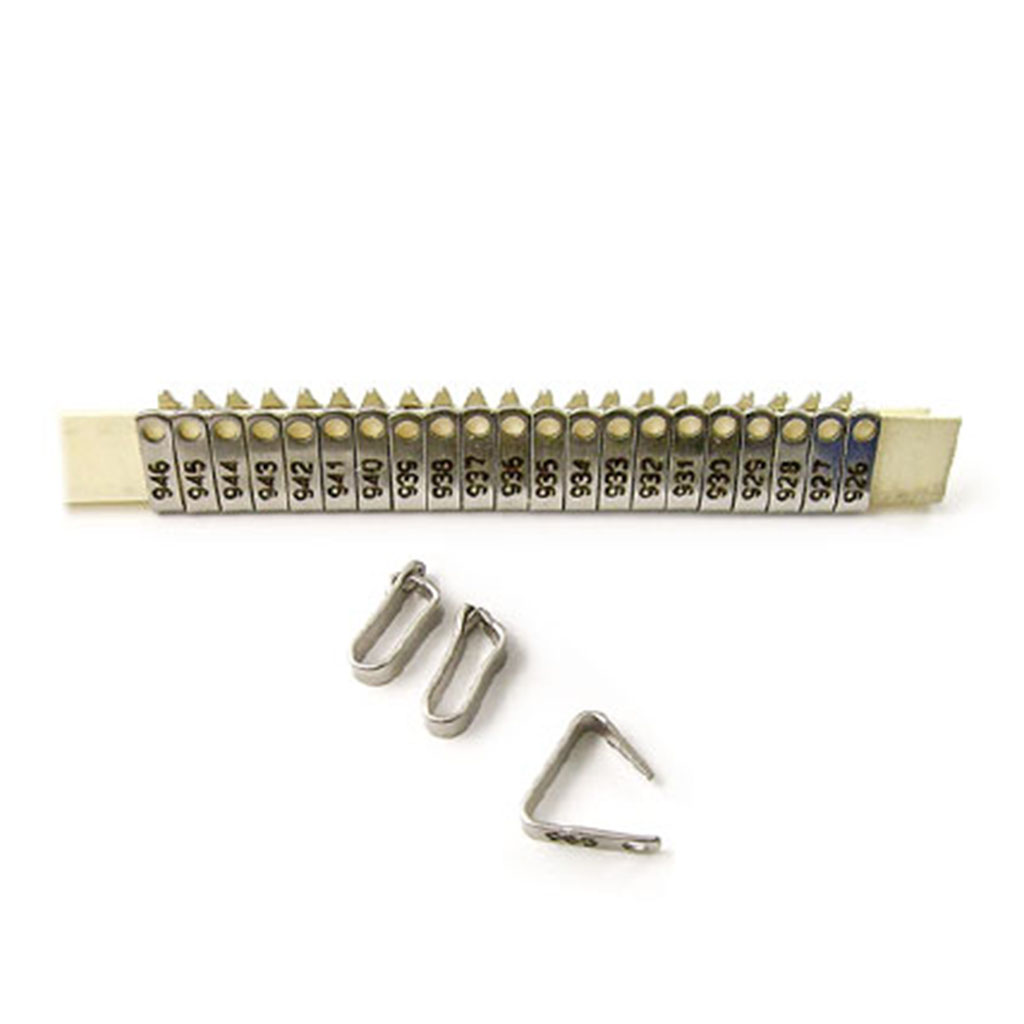
Laser-etched ear tags provide a robust and visible manual identification solution for moderate- to long term duration studies. Their precision manufacturing helps reduce sharp edges and irritation, making them suitable for a wide range of rodent species. These tags are especially valued for their simplicity, low cost, and ease of visual recognition during daily checks.
However, laser-etched tags may not offer the same level of unique traceability as digital systems. Their numeric range is more limited compared to barcode-based options, and they are not MRI-compatible, which restricts their use in imaging studies. Additionally, there is a small but present risk of tissue irritation, particularly if tags are poorly placed or animals chew on them. Reading metal tags often requires handling the animal - adding stress and consuming valuable research time.
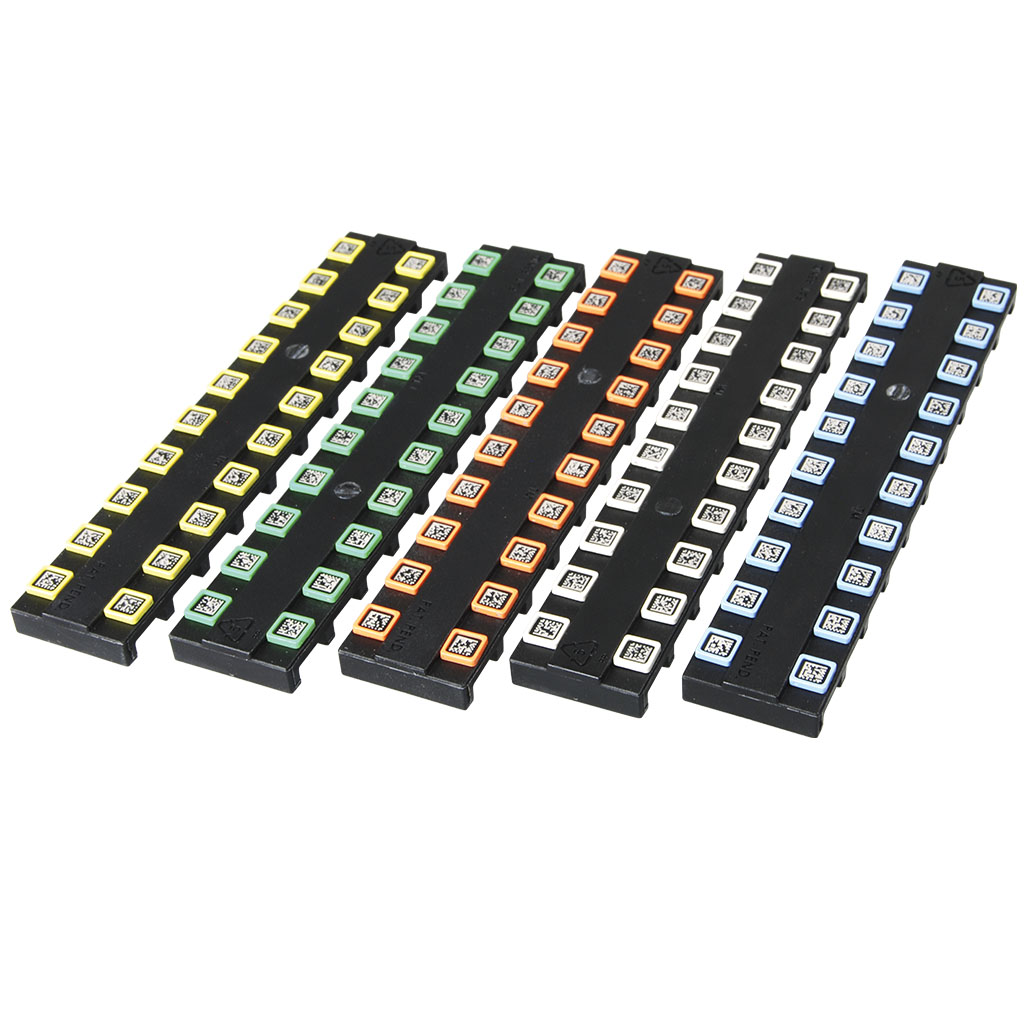
RapID Tags® are a next-generation solution for mouse and rodent identification that address many of the challenges associated with traditional metal ear tags. Manufactured from a tough, chew-resistant medical-grade polymer, autoclave-safe, and designed to minimize tissue reaction and discomfort. Their unique cylindrical design ensures secure attachment and minimal risk of tag loss, while also being easy to apply and remove. Unlike RFID systems, RapID Tags do not rely on electromagnetic technology, making them MRI-compatible and safe for both animals and personnel.
RapID Tags are designed to integrate smoothly into modern laboratory workflows without requiring expensive or specialized equipment. Each tag features a 2-D matrix barcode—smaller than 5mm x 5mm—that can be scanned in about one second using popular light-based scanners. These barcodes provide millions of unique ID codes and can be integrated with vivarium software, LIMS systems, and custom spreadsheets for efficient data management.
This compatibility offers significant advantages: visual and digital identification without the need to handle animals, fast data entry, and reduced transcription errors. Labs transitioning from metal tags or handwritten logs often find RapID Tags to be a major upgrade in both efficiency and welfare.
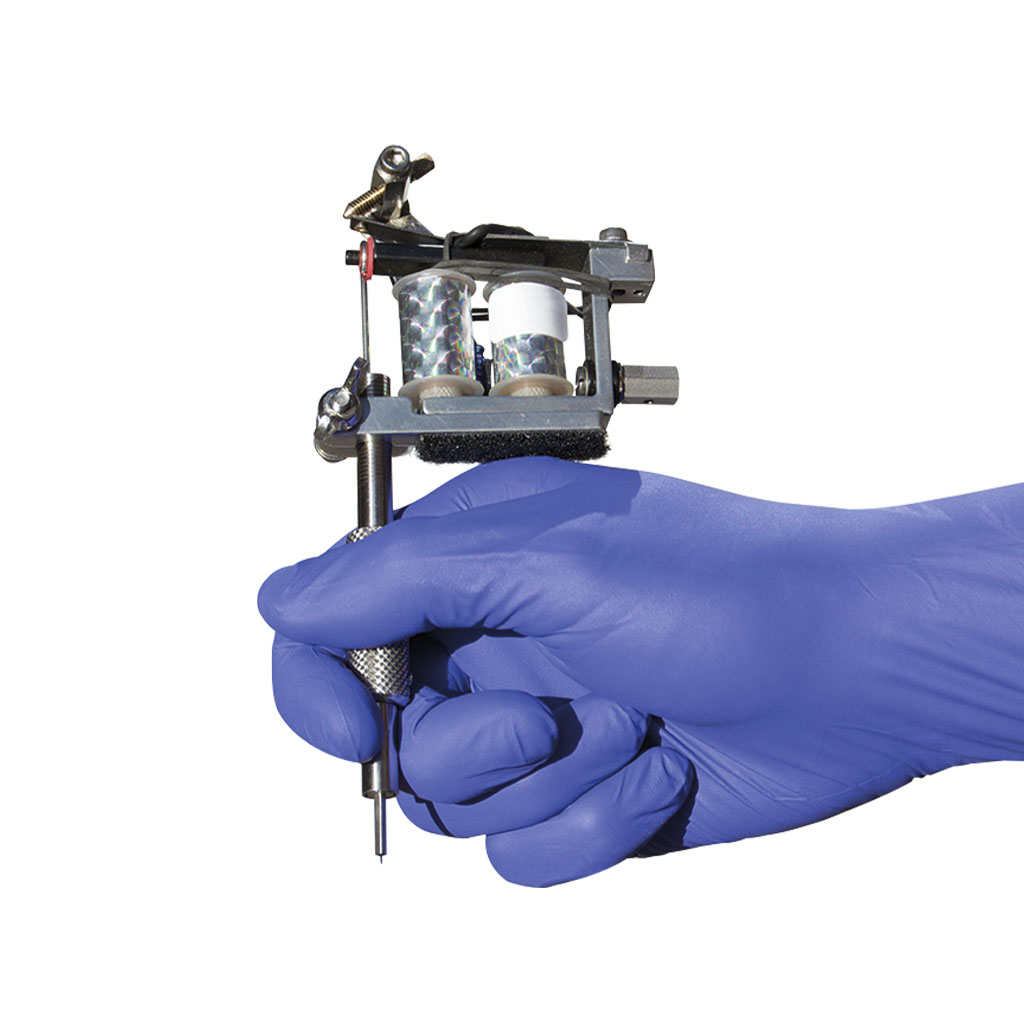
Tattooing is one of the most reliable and welfare-refined permanent identification methods available, especially when implemented early. It offers the ability to mark animals from as early as three days of age, which is particularly advantageous in breeding studies and long-term research protocols. While tattoos may fade in darker pigmented animals and require practice to apply effectively, they are minimally invasive and well tolerated when done properly. Tattoos are also MRI-compatible and free from infection risks commonly associated with ear tagging.
The AIMS Tattoo System is a specialized solution designed for accurate and minimally invasive identification of laboratory rodents. The system includes a battery-powered tattoo device, sterile needles, and high-contrast ink suitable for use from as early as 3 days of age. Developed for precision and ease of use, it enables fast and reliable tattooing on tails or footpads, providing permanent identification with minimal stress to the animal.
Compared to non-AIMS tattoo equipment, this system is notably more dependable, easy to operate, and easy to clean—saving valuable technician time and reducing operational disruptions. The tattooing process itself is highly efficient, with trained users able to tattoo 80–110 mice per hour with consistent results. This efficiency not only reduces labor costs but also minimizes animal handling and stress.
RFID systems provide highly accurate, automated identification that reduces human error and minimizes the need for repeated handling. These systems are ideal for facilities using digital data collection or managing large colonies where scanning is faster and more efficient than visual checks.
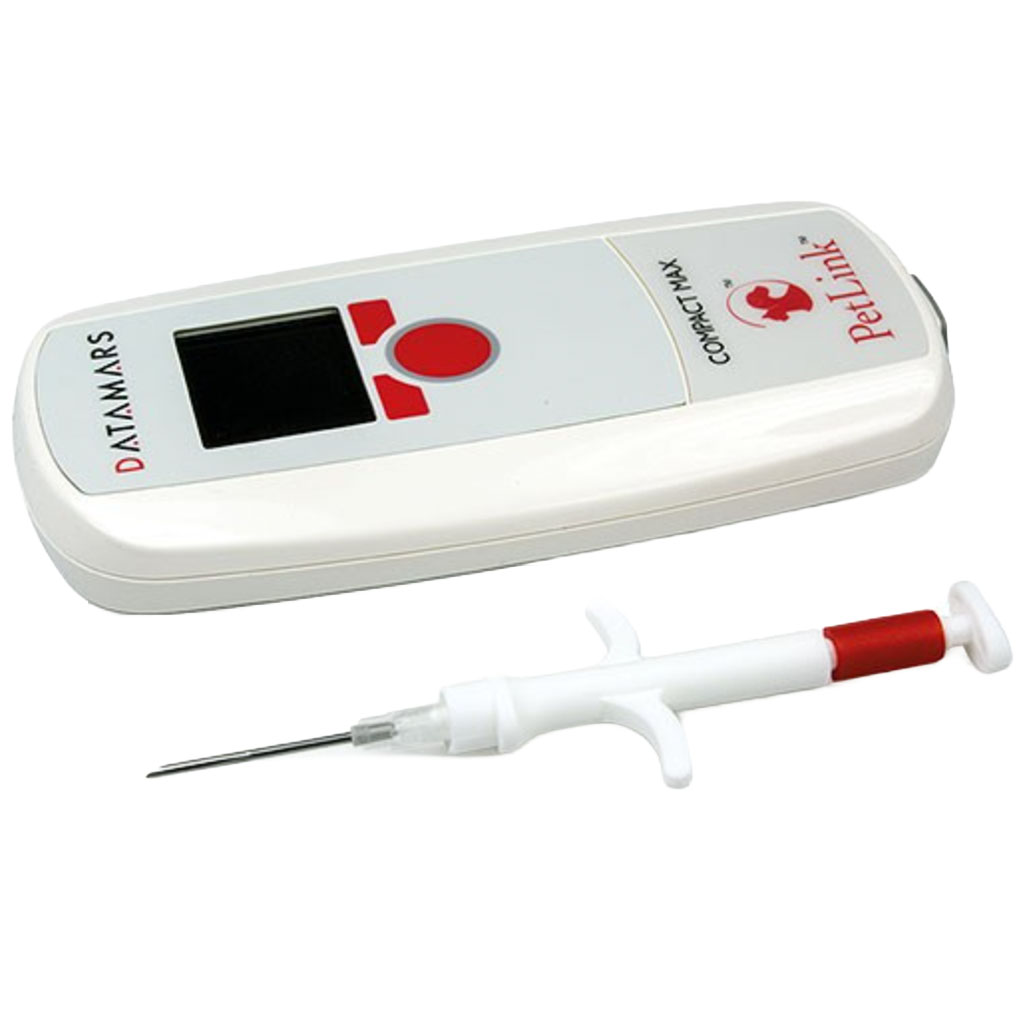
While RFID chips are generally not MRI-compatible and require a higher initial investment in both hardware and training, they offer long-term benefits in traceability and operational efficiency. For labs seeking to implement this technology AgnThos offers three sizes of Implantable RFID Chips providing a permanent, biocompatible solution tailored for small laboratory animals.
This microchip is injected subcutaneously between the shoulder blades using a preloaded and sterile implanter. Each chip carries a unique ID code that can be read with a compatible RFID scanner, enabling fast, contactless identification without disturbing the animal. The chips are encased in bioinert glass to minimize tissue reaction, and the glass also has anti-migration properties to prevent the chip from moving away from the implantation site.